


Development
Proof in the Pathway: JVW Development in Action

Aug
At JVW, development is not something we simply talk about. The JVW development pathway is visible through the movement of players between our teams.
For us, the strongest measure of development is progression. It is seeing a player move from one environment into another because her level demands a new challenge. That pathway continues to take shape across the club.
Development That Can Be Seen
One of the biggest highlights of the JVW development pathway has been the number of players progressing from the Second Team into the First Team, while more recently several U17 players have stepped into the Second Team environment. These movements provide tangible evidence that the system is working as intended. Our development teams are not separate entities, but part of one connected pathway where players are continually assessed and challenged at the level best suited to their development. While results remain important, the ultimate goal is not simply to win at every age group, but to prepare players for the next stage of their journey.
A standout example of the pathway in action is 14-year-old Gontse, whose progression during a single season perfectly reflects JVW’s development philosophy. After earning promotion into the U15 team, her performances and continued growth saw her move into the U17 environment before eventually stepping up once again into the Second Team.
To progress through three different levels in one season is a significant achievement, but more importantly, it demonstrates that players are not restricted by age when their ability and readiness suggest they are prepared for the next challenge. Gontse’s journey is a powerful example of what the JVW player development pathway is designed to achieve. Recognising talent, creating opportunity and allowing each player to progress at her own pace.
Mokoma striking the big stage
Another strong example is 18-year-old Bonolo Mokoma, whose 2025 season highlighted both individual growth and the value of being challenged in a new role. Under Head Coach Janine van Wyk, Bonolo was converted from centre back to striker, a move that opened a new dimension to her game and accelerated her progression. In the same year, she earned selection for the South African U17, U20 and Senior Women’s National Teams, while also being recognised at club level with both the Young Player of the Year and Players’ Player of the Year awards. Her journey reflects the importance of identifying potential, being willing to adapt, and creating an environment where players are given the opportunity to grow beyond the role or level they may initially have been known for.
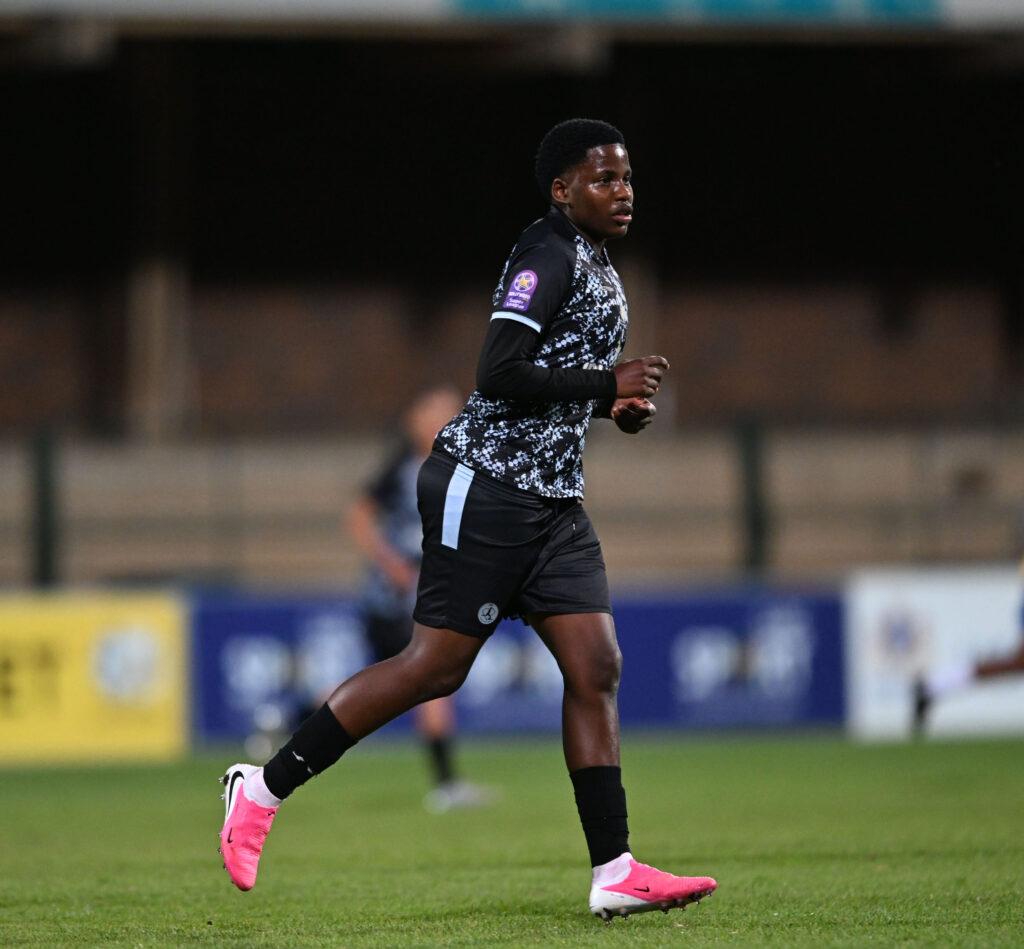
JVW Development: Level Before Age
While JVW operates within specific age groups, a player’s age does not automatically determine where she will play. Players are assessed on their ability, readiness, physical development, technical level and overall understanding of the game.
This approach is central to the JVW player development pathway, with talented players encouraged to compete above their natural age group when appropriate. For some, that progression happens quickly, while others may need more time before moving into the next environment, and both are equally valid.
Development is individual, and players should progress at the rate that best supports their long-term growth. This may see an U15 player step into U17 football, an U17 player move into the Second Team, and a Second Team player earn an opportunity with the First Team. These progressive steps create a genuine pathway through the club, rather than simply a collection of teams divided by age.
The Challenge of the JVW Development pathway
There is a reality that comes with this development philosophy, as many JVW teams regularly compete with players who are younger than the age category they are playing in.
This can reduce our competitive advantage in the short term, particularly when younger players face opponents who are physically stronger, more experienced or further along in their development. As a result, results do not always tell the full story of what is happening within the development environment. For JVW, this is a trade-off we are prepared to make.
Playing above their age exposes young players to faster decision-making, greater physical demands and higher expectations. These experiences may not always be comfortable, but they are incredibly valuable in preparing players for the demands of senior football.
Our focus is on developing players who can succeed in the long term, rather than protecting short-term results at youth level.
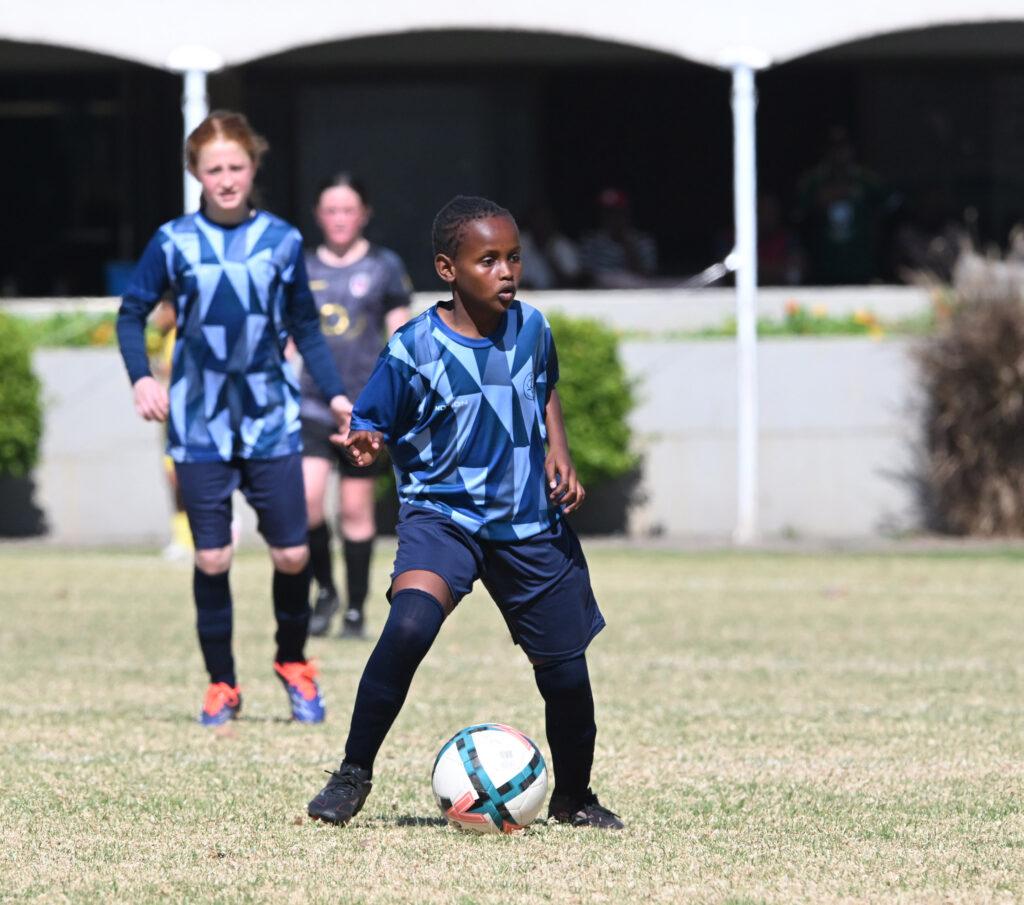
A Second Team That Continues to Rebuild
The development process has been particularly evident within our Second Team. The 2025 squad included several key players who went on to earn opportunities beyond that environment, with some recruited by the newly formed Kaizer Chiefs women’s team, others progressing into the JVW First Team, and a few continuing their careers abroad.
While these departures created a significant rebuilding process, they are also something the club is extremely proud of. When players move on because they have earned opportunities at a higher level, it is a clear indication that the development pathway is working as intended.
Over the past two seasons, JVW has had to replace more than 13 players within the Second Team, creating space for the next generation to step forward. At the beginning of the year, Sthembile Sebata, Judah Heslop and Atlegang Masemola were promoted into the Second Team, followed shortly afterwards by Gontse Makhethe and Tshiamo Lethoko. Most recently, Mya Manikus has also made the step up during the August window.
This continued movement from the U17s into the Second Team represents the next stage of a development cycle that JVW has deliberately worked to build, ensuring that opportunities are consistently created for players ready to take the next step.
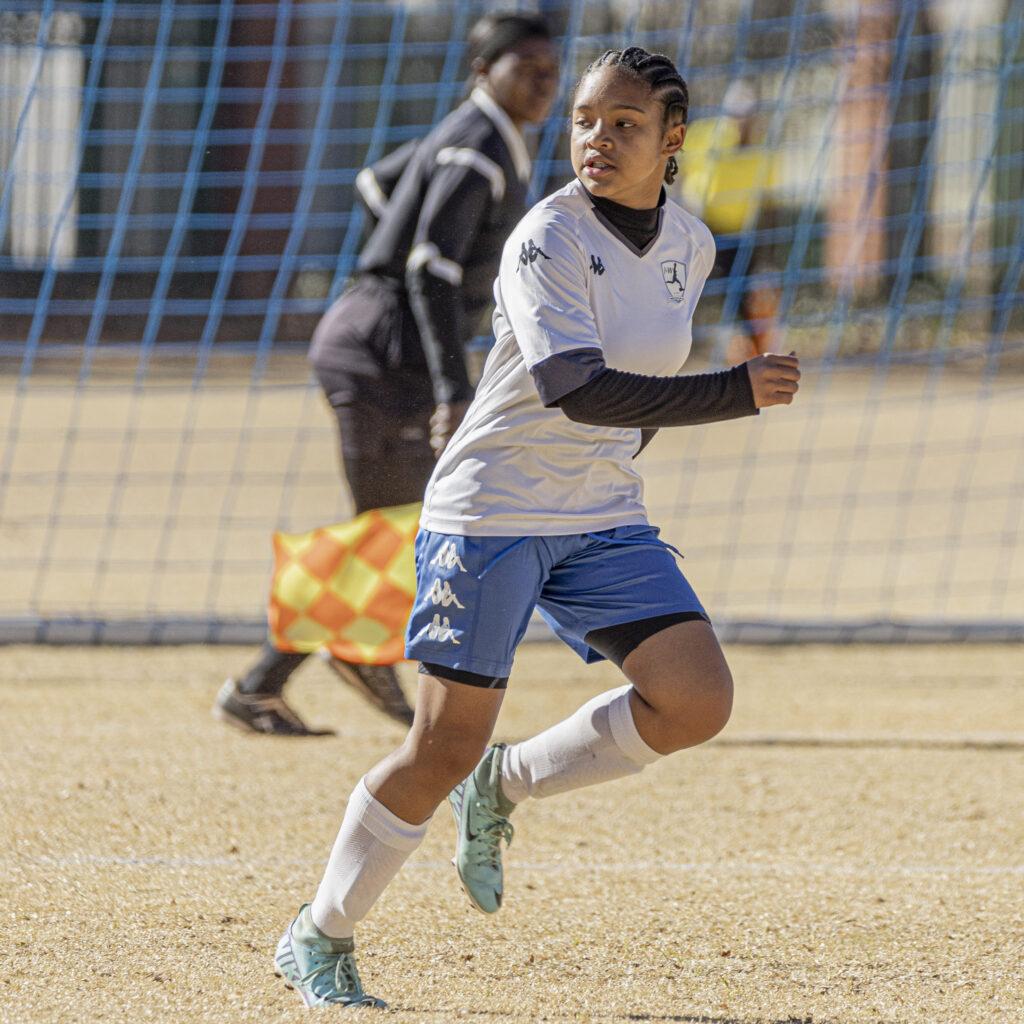
Creating Opportunity, Not Holding Players Back
Development requires clubs to make difficult decisions, and sometimes the choice that best supports a player’s future may not immediately benefit the team’s results. At JVW, we believe talented players should not be held back simply because keeping them in a younger team makes that team stronger. When a player is ready for the next challenge, our responsibility is to create that opportunity. This philosophy requires patience from coaches, players and parents, as development
The Proof Is in the Players
There are many ways for a club to describe itself as a development club, but for JVW, the most meaningful proof will always be the players who move through the system. From younger age groups into U17 football, from the U17s into the Second Team, and from the Second Team into the First Team, the pathway is clear. Ultimately, the goal is to prepare players for opportunities at the highest levels of the game. Every promotion creates space for another player to step forward, and every player who progresses strengthens the pathway for those coming next. That is the development model JVW continues to invest in. While we may sometimes compete with younger teams today, we believe those experiences are helping to develop stronger, more prepared players for tomorrow.
At JVW, development is not a slogan. The pathway is the proof.
