


Development, Girls Schools League
Player Development Pathway – Gabby Niemack’s move

Jan
Player development is rarely linear. 20 year old Gabriella Niemack’s journey from JVW in South Africa to football in Germany highlights the importance of a strong player development pathway, in preparing athletes for other opportunities.
Player Development Pathway Shaped by Opportunity and Structure
Niemack’s move to Germany in September 2024 marked a major milestone in a pathway built over years of structured development. The relocation was influenced by family circumstances, including reunification with her stepbrother, who is a German citizen.
At the same time, the organisation and strength of the German football system played a decisive role in her next development phase. Germany is widely recognised for its well-defined football development systems, competitive depth, and high expectations at every level.
For a player from a structured youth football development programme, the transition required adaptability, discipline, and consistent effort. She integrated quickly into daily training, using football as both a competitive outlet and a way to connect with local culture.
Football also helped her build relationships and understand the local football landscape, strengthening her development pathway abroad.
Competing in the Verbandsliga: Tactical Discipline and Physical Demands
Gabby currently represents FC Viktoria 1889 Berlin U20, the club’s second team competing in the Verbandsliga, Germany’s fourth tier. The league places consistent demands on players, requiring tactical discipline, physical resilience, and reliable performance standards. While the level of opposition varies week to week, the physical intensity remains constant, challenging players to perform consistently
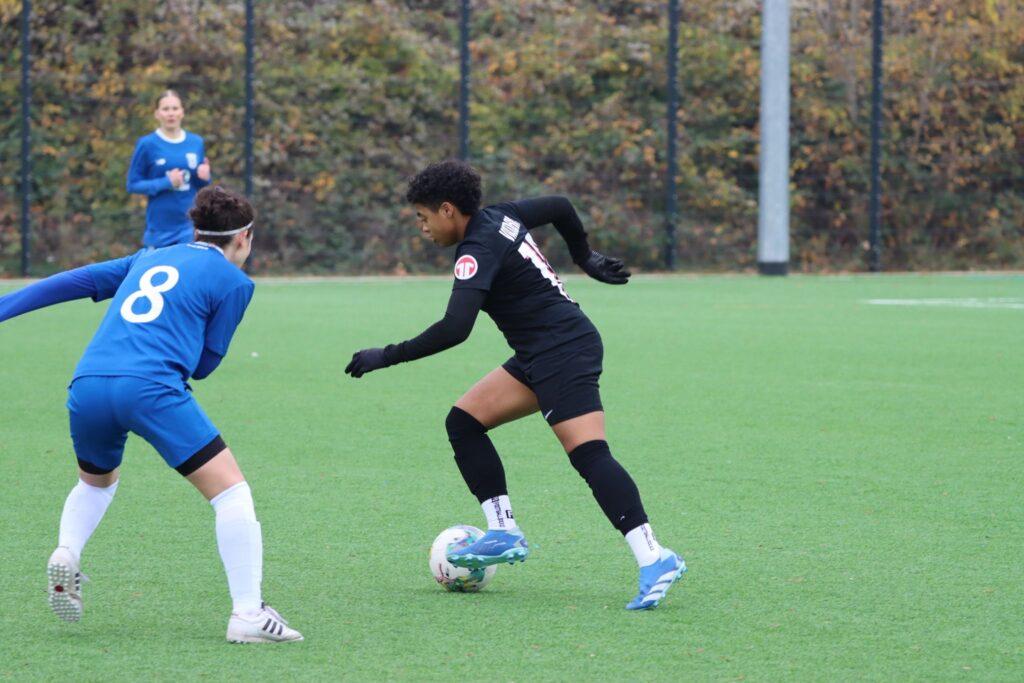
Versatility has been a defining feature of Gabby’s progression within this competitive environment. Although she initially featured as a striker, she has also played as a winger and left back as the season progressed.
This adaptability reflects a football development philosophy that prioritises game understanding and positional awareness over early specialisation.During her time at JVW, she gained experience across the defensive line, developing the football intelligence needed to switch roles effectively.
These experiences demonstrate how a strong player development pathway equips players to adapt to new positions and tactical demands.
Bridging South African and German Football Cultures
The contrast between South African football development and the German football pathway further underlines the value of strong foundations. German football is characterised by its direct approach, physicality, and structured tactical frameworks, while South African football often emphasises creativity, expression, and fluid play. Niemack’s ability to adjust between these environments demonstrates how comprehensive coaching prepares players to succeed across different systems and cultures.
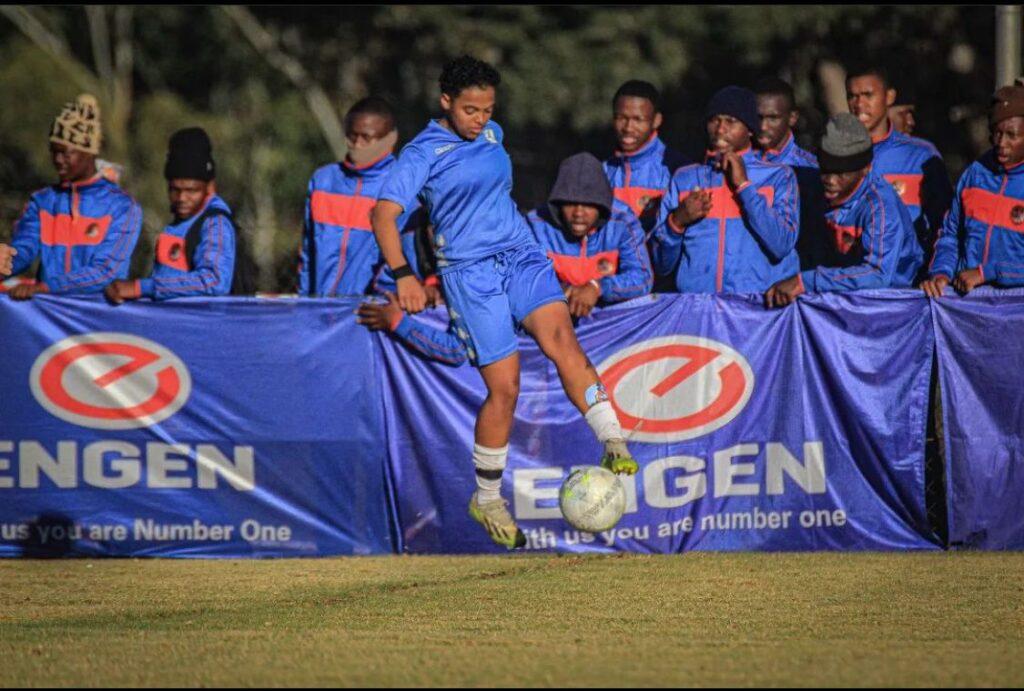
JVW’s role within this journey remains central. Beyond technical and tactical development, the JVW player pathway emphasises professionalism, resilience, and accountability. These qualities have translated seamlessly into a high-pressure European environment. She also acknowledges the lasting influence of Coach Alexia Cassar, whose guidance helped shape her approach to preparation, learning, and long-term development
Key Competitive Milestones and Personal Growth
Several key moments during Gabriella Niemack’s time in Germany reinforced the effectiveness of a structured player development pathway. Competing in the final Pokal match against Union Berlin U23 gave her exposure to elite-level opposition and real match pressure. This experience allowed her to test her skills, decision-making, and adaptability in high-stakes situations. Later in the season, a decisive header secured a top-10 league finish, marking a major personal and professional milestone.
Off the field, adapting to language barriers and daily routines required the same discipline she developed through football. Learning German and navigating a new environment reflected broader principles central to player progression in football, including patience and adaptability.
These challenges reinforced the importance of embracing new experiences and applying lessons from the player development pathway both on and off the pitch.
Featuring in the JVW School League
Gabby also featured in the JVW School League, another initiative run by the JVW Girls Football program.
This project supports the upliftment of youth football development across the Gauteng Province, providing players with competitive experience and skill-building opportunities, in their school environment. Participation in the school league gives young players an accessible entry point into football
For players at Gabby’s level, the league offers an opportunity to mentor and inspire schoolmates, sharing experience and knowledge gained through higher-level competition. By leading through example, Gabby helps motivate younger players, showing them the possibilities that exist with dedication and a strong development pathway.
The JVW school league therefore strengthens the football ecosystem, connecting grassroots participation to structured programs like the JVW player development pathway.
Why Structured Player Development Pathways Matter
Gabriella Niemack’s journey from JVW to the Verbandsliga demonstrates how structured football development programmes produce players capable of transitioning into new football cultures. It reinforces the importance of long-term player development pathways that prepare athletes not only for the level they are currently competing at, but for the next opportunity, wherever that pathway may lead.
